Sep 14, 2026
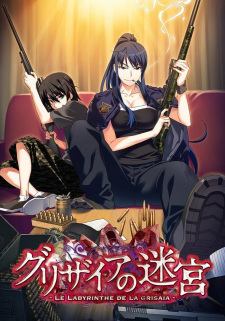
Yes, Grisaia had a lot of ecchi. I honestly hadn't remembered that.
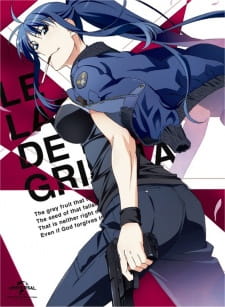
After the previous review, where I questioned whether Grisaia really had that much ecchi, this special gave me a pretty definitive answer: yes, it did. And quite a lot of it. The franchise really does feature a huge amount of fanservice, sexualization, and highly problematic themes, and revisiting it after so many years is proving to be a much stranger experience than I expected.
Here, however, there is an issue that particularly bothered me: the protagonist's relationship with his sister.
I honestly didn't remember this aspect being handled the way it was. And I can perfectly
...
understand the narrative function of this relationship within the story. Given the protagonist's traumas and psychological issues, the problematic sibling relationship can serve as one of the elements that shaped those conflicts. As a source of trauma and part of the explanation for the character's psychological state, there is a narrative logic behind it.
The problem lies in how the work presents all of this. It is one thing to portray a problematic, incestuous relationship as part of a traumatic past, showing that it was harmful to the characters and left psychological scars. It is something else entirely to take that same situation and turn it into material for ecchi and fanservice.
And that is precisely where I can't get on board with the approach.
I remember disliking this when I first encountered the series, and revisiting it now, I still dislike it. In fact, I can now better identify why this aspect bothers me. It isn't simply the existence of the theme itself. Works can tackle disturbing subjects, abusive relationships, and morally horrific situations. The problem arises when these situations are sexualized and turned into something meant to be titillating or entertaining for the viewer.
This is further complicated by the fact that we are dealing with underage characters. The moment a situation involving trauma and family dynamics is presented with a sexual focus, there is a huge difference between addressing a problematic issue and exploiting that issue as fanservice.
And I think that distinction is important.
As a source of trauma for the protagonist, I can understand the concept. There is narrative potential in terms of the character's psychological makeup. However, as *ecchi* material, I consider it a very poor choice. I cannot simply view this as "just another feature of the work" without acknowledging how problematic this approach is.
Aside from that, the animation is good enough. Visually, I have no major complaints, and the production delivers what it sets out to do. The problem is that the focus on ecchi is so heavy that it ends up dominating a large part of the experience. After revisiting some of this material, I am now much more aware that this is a significant component of Grisaia.
Interestingly, this doesn't mean I automatically consider the presence of ecchi in the franchise to be a bad thing. Once I understood the work's premise better, I could accept that this element is part of its identity. There are situations where the fanservice works within the series' tone, and others where it simply doesn't bother me. What I cannot accept is when this device is applied to a situation that could have worked much better as a dramatic element.
Ultimately, this special turned out to be more illuminating than I expected. After my initial uncertainty, I am now sure that ecchi has always been a huge part of Grisaia and that I had simply forgotten just how much the franchise relied on it.
I still find it interesting how certain events can be used to build the characters' trauma, but I don't think that justifies sexualizing them. There is a difference between depicting something wrong and trying to turn it into sexual entertainment.
That is why, despite recognizing some qualities in the production and understanding the narrative function of certain elements, I cannot recommend this special. For me, the way the sibling relationship is sexualized crosses a line that makes the experience quite uncomfortable.
It is one of those situations where I can understand what the work is trying to do, but that doesn't mean I consider the execution to be right.
Raiting: 4/10.
=================================================================================================================Versão em Português=====================================
Sim, Grisaia tinha muito ecchi. Eu realmente não lembrava.
Depois da review anterior, em que me questionei se Grisaia tinha mesmo tanto ecchi assim, esse especial acabou me dando uma resposta bastante definitiva: sim, tinha. E não era pouco. A franquia realmente possui uma quantidade enorme de fanservice, sexualização e temas bastante problemáticos, e rever isso depois de tantos anos está sendo uma experiência bem mais estranha do que eu esperava.
Aqui, porém, existe um problema que me incomodou particularmente: a relação do protagonista com a irmã.
Eu sinceramente não lembrava que essa questão era tratada dessa maneira. E consigo entender perfeitamente a função narrativa dessa relação dentro da história. Considerando os traumas e problemas psicológicos do protagonista, a relação problemática entre os irmãos pode funcionar como uma das peças responsáveis pela construção desses conflitos. Como elemento de trauma e como parte da explicação para o estado psicológico do personagem, existe uma lógica narrativa por trás disso.
O problema é a maneira como a obra apresenta tudo isso. Uma coisa é retratar uma relação incestuosa e problemática como parte de um passado traumático, mostrando que aquilo foi prejudicial para os personagens e que deixou consequências psicológicas. Outra coisa completamente diferente é pegar essa mesma situação e transformá-la em material de ecchi e fanservice.
E é justamente aí que eu não consigo comprar a proposta.
Eu lembro de não ter gostado disso quando conheci a obra e, revendo agora, continuo não gostando. Na verdade, hoje consigo identificar melhor por que esse aspecto me incomoda. Não é simplesmente a existência do tema em si. Obras podem abordar assuntos perturbadores, relações abusivas e situações moralmente horríveis. O problema está em sexualizar essas situações e tentar transformá-las em algo apelativo ou divertido para o espectador.
Isso fica ainda mais complicado porque estamos falando de personagens menores de idade. A partir do momento em que uma situação envolvendo trauma e relações familiares é apresentada com foco sexual, existe uma diferença enorme entre abordar algo problemático e explorar esse problema como fanservice.
E acho que essa distinção é importante.
Como fonte de trauma para o protagonista, eu consigo compreender a ideia. Como parte da construção psicológica do personagem, existe potencial narrativo. Mas como material de ecchi, considero uma escolha muito ruim. Não consigo enxergar isso simplesmente como “mais uma característica da obra” sem reconhecer o quanto essa abordagem é problemática.
Fora isso, a animação é boa o suficiente. Visualmente, não tenho grandes reclamações, e a produção consegue entregar aquilo que pretende. O problema é que o foco em ecchi é tão alto que acaba dominando boa parte da experiência. Depois de rever alguns desses materiais, agora estou muito mais consciente de que esse é um componente bastante forte de Grisaia.
E, curiosamente, isso não significa que eu considere automaticamente ruim o fato de a franquia ter ecchi. Depois de entender melhor a proposta da obra, consigo aceitar que esse elemento faça parte da identidade dela. Existem situações em que o fanservice funciona dentro do tom da série e outras em que simplesmente não me incomoda. O que eu não consigo aceitar é quando esse recurso é aplicado justamente sobre uma situação que poderia funcionar muito melhor como elemento dramático.
No fim, esse especial acabou sendo mais esclarecedor do que eu esperava. Depois da minha dúvida anterior, agora tenho certeza de que o ecchi sempre foi uma parte muito grande de Grisaia e que eu simplesmente tinha esquecido o quanto a franquia abusava disso.
Ainda acho interessante a forma como determinados acontecimentos podem ser utilizados para construir os traumas dos personagens, mas não considero que isso justifique a sexualização deles. Existe uma diferença entre representar algo errado e tentar transformar aquilo em entretenimento sexual.
Por isso, apesar de reconhecer algumas qualidades na produção e compreender a função narrativa de certos elementos, não consigo recomendar esse especial. Para mim, a forma como a relação entre os irmãos é sexualizada ultrapassa um limite que torna a experiência bastante desconfortável.
É uma daquelas situações em que consigo entender o que a obra está tentando fazer, mas isso não significa que eu considere correto como ela escolheu fazer.
Nota: 4/10.
Reviewer’s Rating: 5
What did you think of this review?
Nice
 0
0
Love it
 0
0
Funny
 0
0
Confusing
 0
0
Well-written
 0
0
Creative
 0
0Show all